Last Updated on 10/05/2025 by Admin
Comprehensive Insights into Noise Pollution and Its Impact on Hearing
Defining Noise Pollution: Key Concepts and Major Contributors
Noise pollution is a significant environmental challenge characterised by excessive sound levels from various sources that negatively influence hearing health on a global scale. This issue infiltrates our lives across various contexts, from the vibrant chaos of urban centres to the quieter suburbs. Key sources of noise pollution include traffic noise, industrial activities, construction operations, loud music, and even amplified natural sounds due to human interference. As urbanisation progresses, this environmental concern becomes more pressing, affecting both developed and developing regions. The prevalence of noise pollution highlights its relevance for health professionals, urban planners, and the wider community.
Studies reveal that the primary contributors to noise pollution are road traffic, rail networks, and air traffic. The noise created by entertainment venues and recreational events is equally significant. Activities such as concerts, nightclubs, and sporting events can generate considerable noise levels, posing both immediate and long-lasting threats to hearing health. As urban populations increase, managing noise pollution becomes a more intricate challenge. The growing need for efficient transport and entertainment options creates an environment ripe for auditory damage. Addressing these noise sources through community education and engagement is essential to raise awareness about noise pollution.
Accurately Measuring Noise Levels to Enhance Public Awareness
To understand the detrimental effects of noise pollution on hearing, it is vital to measure noise levels accurately. Noise is evaluated using the decibel (dB) scale, which quantifies sound intensity. Prolonged exposure to sound levels above 85 dB is commonly acknowledged as harmful to hearing health. This threshold is particularly worrying, as typical sources—such as heavy traffic, construction sites, and loud music—often exceed this limit in urban areas. For instance, a standard motorcycle can produce sound levels of 95 dB, while a rock concert may reach an alarming 120 dB, putting attendees’ hearing at serious risk.
Grasping decibel measurements is crucial for enhancing public understanding and formulating effective policies. These measurements help identify environments where sound levels surpass safe thresholds, enabling targeted interventions. Many countries have established guidelines to maintain acceptable noise levels in public venues and workplaces. The World Health Organization (WHO) recommends that nighttime noise levels should not exceed 40 dB to promote restful sleep, highlighting the global consensus on the necessity of managing sound exposure.
Technological advancements have made continuous noise monitoring feasible, allowing communities to track their acoustic environments in real-time. These systems not only help individuals identify high-noise areas but also equip advocacy groups with the data needed to push for regulatory improvements. By utilising noise measurement technologies, communities worldwide can advocate for healthier living conditions and reduce the adverse effects of sound pollution.
Common Situations of Noise Pollution Exposure
Everyday environments significantly shape how noise pollution impacts hearing health. Traffic remains a primary source, with urban residents frequently exposed to the incessant clatter of vehicles. Cities like Tokyo, New York, and Mumbai exemplify this challenge, where the relentless sounds of car horns, sirens, and construction create a continuous auditory backdrop. Commuters in these lively cities often navigate soundscapes that reach dangerous decibel levels, increasing their risk of hearing loss.
The workplace also contributes substantially to exposure scenarios. Sectors such as manufacturing and construction typically involve high-decibel machinery that exerts considerable auditory stress. Employees in these environments frequently face challenges due to insufficient protective measures against noise. For example, construction sites may operate equipment that exceeds 90 dB, underscoring the need for effective hearing conservation programmes to safeguard workers from permanent hearing damage.
Entertainment venues present another significant exposure scenario. Concerts, festivals, and cinemas are widespread globally, offering enjoyment but also exposing attendees to dangerous sound levels. Research indicates that prolonged exposure to loud music can cause irreversible hearing damage, making education and protective measures vital for both concertgoers and venue operators. By recognising these common exposure situations, individuals can take proactive steps to safeguard their hearing health.
Evaluating the Health Consequences of Noise Pollution
The health implications of noise pollution extend well beyond hearing loss; they encompass a broad spectrum of physiological and psychological effects. Chronic exposure to excessive noise can activate stress responses within the body, triggering the fight-or-flight response. This sustained stress is linked to elevated cortisol levels, resulting in chronic health conditions such as hypertension, heart disease, and even strokes. The connection between noise exposure and cardiovascular health is an emerging issue, particularly for urban populations, emphasising the need for effective interventions.
Sleep disturbances represent another significant impact of noise pollution, affecting a large portion of the global population. Noisy environments can disrupt sleep cycles, leading to insomnia and reduced sleep quality, which in turn affects cognitive function and overall health. Studies conducted in densely populated cities have established a direct correlation between heightened nighttime noise levels and increased rates of sleep disorders. Long-term sleep deprivation can lead to fatigue, diminished cognitive performance, and a greater vulnerability to mental health challenges.
The psychological effects of noise pollution are profound. Ongoing exposure to noise correlates with heightened levels of anxiety and depression, particularly among vulnerable groups such as children and the elderly. The constant influx of sound can create feelings of agitation and irritability, impacting personal relationships and reducing overall quality of life. A thorough understanding of the diverse health impacts of noise pollution is essential for developing effective public health strategies aimed at addressing this widespread concern.
Developing Effective Strategies to Reduce Noise Pollution
Tackling the pervasive issue of noise pollution requires a comprehensive approach. Innovative urban planning strategies are vital for minimising noise exposure. Integrating green spaces and sound barriers into city designs can greatly alleviate noise effects, fostering more serene environments. Cities worldwide are beginning to recognise the advantages of incorporating parks and natural buffers that absorb sound, thereby enhancing residents’ quality of life.
Regulatory measures are equally crucial for effectively managing noise levels. Governments can implement and enforce noise abatement regulations that impose strict limits on sound emissions from industrial operations, construction activities, and nightlife venues. For example, cities like Copenhagen have successfully enacted noise regulations prioritising public health, creating urban soundscapes that promote well-being.
Public awareness campaigns are essential for fostering community involvement in efforts to reduce noise pollution. Educating citizens about the dangers of noise pollution empowers them to advocate for change. Schools, workplaces, and organisations can raise awareness through workshops and informational sessions, emphasising preventive behaviours like using ear protection and minimising overall noise levels in personal and public spaces.
Ultimately, effective strategies for reducing noise pollution require collaboration among governments, communities, and individuals. By prioritising sound management, we can cultivate healthier and more harmonious living environments across the globe.
Understanding the Mechanisms of Hearing Damage Due to Noise
Investigating the Physical Effects of Loud Sounds on the Ears
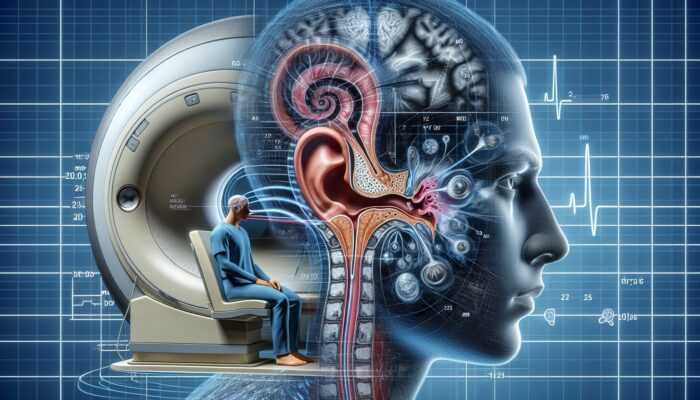
The ear’s intricate structures are highly sensitive to sound waves, and exposure to loud noises can inflict physical damage. Sound travels through the air as vibrations, and when these vibrations exceed safe levels, they can harm the delicate hair cells within the cochlea. These hair cells are crucial for converting sound vibrations into electrical signals that the brain interprets as sound. Prolonged exposure to loud noises can result in a condition known as acoustic trauma, leading to the destruction of these essential cells.
When hair cells are damaged, the brain’s capacity to perceive sound diminishes, resulting in varying degrees of hearing loss. This process might not occur immediately; initial exposure can cause temporary threshold shifts, where hearing temporarily decreases but may recover. Repeated exposure to high noise levels can culminate in irreversible hearing loss, significantly affecting an individual’s quality of life. For instance, construction workers who consistently operate heavy machinery without adequate hearing protection may experience gradual auditory decline, highlighting the importance of preventive measures.
The physical ramifications of noise extend beyond mere hearing loss. It can lead to conditions such as tinnitus, characterised by ringing or buzzing in the ears. Tinnitus can be debilitating, impacting concentration, sleep, and overall mental health. The likelihood of developing tinnitus increases with the intensity and duration of noise exposure, underscoring the urgent need for awareness and protective strategies.
Recognising Noise-Induced Hearing Loss (NIHL)
Noise-induced hearing loss (NIHL) is a widespread global health issue that affects individuals across all age groups and demographics. This condition arises from exposure to harmful noise levels, whether suddenly from explosions or gunfire, or gradually through prolonged exposure to loud environments. NIHL is particularly treacherous, as it often develops unnoticed over time, resulting in irreversible auditory damage before individuals recognise their declining hearing abilities.
The prevalence of NIHL is alarming, with the World Health Organization estimating that 1.1 billion young people are at risk due to unsafe listening habits, such as using headphones at high volumes. The influence of modern technology, including personal audio devices and noisy entertainment venues, has intensified this problem. For example, attending music festivals or concerts where sound levels exceed 100 dB can cause significant auditory damage, even after just one exposure.
The effects of NIHL are not uniform; they may manifest differently based on age, gender, and genetic predispositions. Younger individuals, particularly adolescents and young adults, may exhibit heightened vulnerability to hearing loss as their auditory systems continue to develop. Conversely, older adults may experience compounded hearing loss due to age-related factors, making them more susceptible to the repercussions of noise exposure.
Preventing NIHL relies on awareness and proactive measures. Implementing hearing conservation programmes in workplaces, mandating the use of protective equipment, and promoting public education about safe listening practices can help mitigate the risks associated with noise exposure. By prioritising prevention, we can protect future generations from experiencing the devastating consequences of noise-induced hearing loss.
Distinguishing Between Temporary and Permanent Effects of Noise
The effects of noise on hearing can be categorised into temporary and permanent outcomes, each carrying implications for auditory health. Temporary effects often manifest as a temporary threshold shift, where individuals experience a short-term reduction in hearing sensitivity after exposure to loud sounds. This condition may result in a muffled sensation in the ears, creating an uncomfortable experience. Fortunately, these effects usually resolve after a period of quiet, with hearing generally returning to baseline levels.
The potential for temporary effects to develop into permanent hearing loss is a critical concern in the context of cumulative noise exposure. Repeated instances of temporary threshold shifts can lead to irreversible damage, particularly when individuals disregard appropriate precautions. For example, frequent attendance at loud concerts without ear protection can gradually diminish hearing sensitivity, transforming temporary effects into enduring impairment.
Understanding the distinction between temporary and permanent effects is crucial for individuals at risk of noise exposure. Education on safe listening practices and acknowledgment of the long-term consequences of repeated exposure to loud sounds can empower individuals to prioritise their hearing health. By recognising the dangers associated with even brief periods of loud noise, individuals can take proactive measures to protect their auditory well-being.
As communities continue to tackle the challenges posed by noise pollution, acknowledging the spectrum of auditory effects is essential for fostering a culture of hearing protection. Implementing strategies to minimise exposure to damaging sounds, along with public education initiatives, can significantly reduce the prevalence of both temporary and permanent hearing loss globally.
Health Implications of Noise Pollution Beyond Hearing Impairment
Exploring the Link Between Noise Pollution, Stress, and Cardiovascular Health
The impact of noise pollution on health extends beyond the auditory system, with significant implications for stress levels and cardiovascular health. Chronic exposure to elevated noise levels triggers physiological stress responses, activating the body’s sympathetic nervous system. This response results in increased heart rate, raised blood pressure, and the release of stress hormones such as cortisol. Over time, these persistent stress responses can lead to severe cardiovascular issues, including hypertension, heart disease, and strokes.
Research has established a clear connection between noise exposure and cardiovascular health outcomes. Studies conducted in urban environments indicate that individuals living near busy roadways or industrial zones experience higher rates of cardiovascular diseases compared to those in quieter areas. For example, a comprehensive study in Europe found that long-term exposure to traffic noise was linked to a 25% increase in the risk of heart disease. Such findings highlight the urgent need for targeted interventions to mitigate noise pollution in high-risk areas.
The interaction between noise pollution and stress underscores the pressing need for public health initiatives. Communities must prioritise strategies for sound management to create healthier environments. This may involve urban planning that incorporates noise-reducing elements, such as green spaces and sound barriers, alongside public policies aimed at regulating industrial and transportation noise. By addressing the root causes of noise pollution, we can mitigate its adverse effects on cardiovascular health and improve overall community well-being.
Assessing the Impact of Noise Pollution on Sleep Quality
Sleep disturbances rank among the most insidious consequences of noise pollution, significantly affecting overall health and well-being. Excessive noise during nighttime can disrupt sleep cycles, leading to insomnia, reduced sleep quality, and chronic fatigue. The World Health Organization emphasises that nighttime noise levels should remain below 40 dB to promote healthy sleep; however, many urban areas fail to meet this standard, subjecting residents to persistent auditory disturbances.
The repercussions of noise on sleep extend beyond mere annoyance; they can provoke profound physiological effects. Disrupted sleep patterns can set off a cascade of negative health outcomes, including impaired cognitive function, decreased productivity, and increased susceptibility to chronic diseases. Research has shown that individuals exposed to high noise levels during sleep experience diminished REM sleep, a crucial phase for cognitive restoration and emotional regulation.
Vulnerable groups such as children and the elderly may be disproportionately affected by sleep disturbances caused by noise pollution. Children require consistent sleep for cognitive and physical development, while seniors often exhibit heightened sensitivity to noise. The cumulative effects of disrupted sleep can exacerbate existing health issues, leading to a vicious cycle of declining health.
Mitigating sleep disturbances necessitates a multifaceted approach. Communities can implement noise abatement strategies, including soundproofing buildings and promoting quiet zones in urban areas. Public awareness campaigns can educate residents about the importance of maintaining a tranquil environment during nighttime hours. By prioritising sleep health and managing noise pollution, we can enhance the overall quality of life for individuals worldwide.
Examining the Mental Health Effects of Noise Pollution
The mental health implications of noise pollution are increasingly recognised as a crucial area of concern. Prolonged exposure to elevated noise levels has been linked to heightened rates of anxiety, depression, and overall psychological distress. The relentless barrage of sound can create an overwhelming sense of agitation, contributing to increased stress levels and negative emotional states.
Research indicates that individuals living in high-noise environments report greater levels of mental health issues compared to those in quieter areas. For instance, a study conducted in urban settings found that residents near busy highways exhibited significantly higher rates of anxiety and depressive symptoms. The psychological toll of noise pollution is particularly pronounced among vulnerable populations, including low-income communities, where access to quiet spaces and mental health resources may be limited.
Addressing the mental health effects of noise pollution requires a comprehensive and community-driven strategy. Initiatives that promote quiet spaces, such as parks and recreational areas, can serve as essential sanctuaries for individuals seeking respite from noise. Public health campaigns aimed at raising awareness of the mental health ramifications of noise can empower individuals to advocate for change within their communities.
Promoting mental well-being in relation to noise pollution is crucial for cultivating healthier living environments. By understanding the intricate relationship between sound and mental health, communities can collaboratively work to reduce noise exposure and foster resilience among residents.
Cognitive Decline Associated with Noise Pollution
Prolonged exposure to noise pollution has been shown to impair cognitive function, affecting attention, memory, and overall cognitive performance. The cognitive effects of noise are especially concerning in educational settings, where students are often subjected to distracting sounds that hinder their learning capabilities. Research consistently indicates that children in noisy environments score lower on cognitive assessments, underscoring the detrimental effects of noise on academic performance.
The mechanisms underlying cognitive impairment related to noise exposure are complex. Distractions caused by loud sounds can impede concentration, making it challenging for individuals to process information effectively. For instance, a study conducted in urban schools revealed that students exposed to high ambient noise levels demonstrated reduced attention spans and lower test scores compared to their peers in quieter environments. This phenomenon highlights the necessity for targeted interventions to reduce noise pollution in educational settings.
The implications of cognitive impairment extend beyond childhood; adults exposed to chronic noise may also experience declines in cognitive function. Aging populations, in particular, may undergo accelerated cognitive decline when subjected to prolonged noise exposure. The intersection of noise pollution and cognitive health underscores the urgency of addressing this public health challenge.
Communities can implement strategies to minimise noise exposure in educational and occupational settings, such as soundproofing classrooms and creating quiet zones in workplaces. By prioritising cognitive health and fostering quieter environments, we can enhance learning outcomes and overall cognitive performance for individuals of all ages.
Identifying Populations at Risk from Noise Pollution
The Specific Challenges Faced by Children and Adolescents
Children and adolescents represent some of the most vulnerable demographics concerning the effects of noise pollution on hearing health. Their developing auditory systems render them particularly susceptible to noise-induced hearing loss (NIHL), with studies indicating that exposure to loud environments during formative years can lead to permanent auditory damage. Schools located near busy roads or construction sites often expose students to hazardous noise levels, necessitating urgent intervention.
The widespread use of personal audio devices poses a significant risk to younger individuals. Many children and teenagers engage in unsafe listening practices, such as using headphones at elevated volumes. The World Health Organization has raised alarms about the increasing number of young people at risk for hearing loss due to these behaviours, emphasising the need for education on safe listening practices. Schools and communities can play a crucial role in promoting awareness and implementing programmes that encourage healthy auditory behaviours.
The impact of noise pollution on children extends beyond hearing loss. Research suggests that chronic exposure to high noise levels can hinder cognitive development, adversely affecting academic performance and emotional well-being. Children exposed to elevated noise levels are often more vulnerable to anxiety and behavioural issues, highlighting the urgent need to address environmental factors that contribute to their distress.
Protecting children from the harmful effects of noise pollution demands a collaborative effort from parents, educators, and policymakers. By advocating for quieter learning environments, promoting safe listening habits, and raising awareness of the risks associated with noise exposure, we can safeguard the auditory health of future generations.
The Elderly and Their Increased Vulnerability to Noise Pollution
Elderly individuals face unique challenges regarding noise pollution and hearing health. Age-related hearing loss, known as presbycusis, affects a significant portion of the older population, rendering them more susceptible to the adverse effects of noise exposure. Research indicates that older adults frequently experience a decline in auditory sensitivity, amplifying the risk of noise-induced hearing loss when exposed to loud environments.
Cognitive decline associated with aging can be exacerbated by noise pollution. Studies have shown that older adults living in noisy settings face a heightened risk of developing cognitive impairments, including memory loss and decreased attention spans. The cumulative effects of hearing loss and cognitive decline can considerably impact their quality of life, leading to social isolation and reduced engagement in daily activities.
Addressing the needs of elderly individuals regarding noise pollution requires a multifaceted approach. Communities can implement strategies to create quieter living environments, such as soundproofing residential buildings and encouraging the use of hearing aids. Public health initiatives can raise awareness about the importance of protecting hearing health among older adults, urging them to seek regular hearing evaluations and adopt protective measures in noisy settings.
By prioritising the needs of elderly individuals in discussions surrounding noise pollution, we can cultivate environments that support their auditory and cognitive health, enhancing their overall quality of life.
Occupational Groups at Risk for Noise-Induced Hearing Loss
Workers in noisy environments, such as those in the construction, manufacturing, and entertainment sectors, face increased risks of noise-induced hearing loss (NIHL). These occupational groups are frequently exposed to sound levels that exceed safe limits, making effective hearing conservation programmes essential. For instance, construction workers operating heavy machinery often encounter noise levels ranging from 85 to 120 dB, necessitating protective measures to preserve their auditory health.
The consequences of occupational noise exposure can be severe and long-lasting. Many workers experience gradual hearing loss over time due to cumulative exposure, leading to irreversible auditory damage that affects both their professional and personal lives. The psychological toll of living with hearing loss can be profound, resulting in heightened stress and decreased job satisfaction.
Implementing effective hearing conservation programmes in high-risk workplaces is crucial for protecting employees. These initiatives should encompass regular hearing assessments, mandatory use of hearing protection, and education on safe listening practices. Employers must foster a culture of awareness regarding noise exposure, encouraging workers to prioritise their auditory health.
By acknowledging the unique challenges faced by occupational groups exposed to noise pollution, we can develop targeted strategies to mitigate risks and promote a healthier workforce. Advocacy for improved regulations and workplace practices is essential for ensuring the long-term hearing health of those in high-risk occupations.
Preventive Strategies Against Noise Pollution
Highlighting the Importance of Protective Equipment
One of the most effective strategies for combatting noise pollution and its detrimental effects on hearing is the utilisation of protective equipment. Earplugs and earmuffs serve as essential barriers against loud sounds, significantly reducing exposure to potentially harmful noise levels. In various settings, from concert venues to construction sites, these devices can greatly lower the risk of noise-induced hearing loss (NIHL).
Earplugs are particularly advantageous for individuals frequently encountering loud environments, such as musicians or factory workers. These compact, portable devices can easily be inserted into the ears to diminish sound intensity, allowing users to participate in their activities while protecting their hearing health. Earmuffs, on the other hand, provide a more comprehensive shield against noise, enveloping the entire ear to block sound effectively. They are often utilised in industrial settings where noise levels can reach dangerous levels for extended periods.
Promoting the use of protective equipment necessitates awareness and education. Employers in high-noise industries must ensure that workers receive the necessary gear and training regarding the importance of hearing conservation. Music venues and event organisers can implement policies encouraging attendees to wear ear protection, especially during high-decibel performances.
By prioritising the use of protective equipment, individuals can take proactive steps to safeguard their hearing health. This straightforward measure can significantly reduce the risks associated with noise exposure, fostering a culture of awareness and prevention.
Implementing Comprehensive Noise Reduction Strategies
Implementing noise reduction strategies is essential for minimising the impact of noise pollution on communities and individuals. One effective approach involves soundproofing high-risk areas, such as schools, hospitals, and residential buildings. Utilising materials designed to absorb or block sound can significantly lower noise levels, creating more peaceful environments conducive to health and well-being.
Urban planning plays a pivotal role in noise reduction. Cities can integrate green spaces and noise barriers into their designs, effectively shielding residential areas from the cacophony of traffic and industrial activities. For instance, cities like Amsterdam have successfully employed sound barriers along busy highways to protect nearby neighbourhoods from excessive noise, thus enhancing residents’ quality of life.
Public transportation systems can also adopt measures to lessen noise pollution. Implementing quieter technologies in buses and trains, along with ensuring proper maintenance of vehicles, can contribute to lowering overall sound levels in urban environments. Community engagement initiatives that encourage residents to advocate for noise reduction measures can foster a collaborative approach to addressing this pervasive issue.
Ultimately, the implementation of noise reduction strategies requires a collective effort from governments, urban planners, and communities. By prioritising sound management, we can create healthier and more harmonious living environments worldwide.
Enhancing Public Awareness and Education on Noise Pollution
Raising public awareness about the dangers of noise pollution is a crucial component of effective prevention strategies. Education plays a vital role in empowering individuals to comprehend the risks associated with excessive noise exposure and to take proactive measures to protect their hearing health. Through community outreach programmes, schools, and public health initiatives, individuals can learn about safe listening practices and the significance of noise management.
Educational campaigns can address various aspects of noise pollution, including its causes, effects, and preventive measures. Schools can integrate noise awareness into their curricula, teaching students about safe listening habits and the importance of safeguarding their hearing from an early age. Community workshops can provide valuable information on noise reduction strategies and the use of protective equipment, fostering a culture of awareness and responsibility.
Leveraging technology and social media platforms can amplify awareness efforts. Engaging content, such as videos and infographics, can effectively communicate the risks of noise pollution and promote safe practices. By utilising these modern tools, public health organisations can reach a wider audience and encourage individuals to take action within their communities.
Ultimately, public awareness and education are key to fostering a culture of prevention regarding noise pollution. By prioritising education, we can empower individuals to make informed choices about their auditory health and advocate for healthier environments.
Examining Technological Innovations to Combat Noise Pollution
Utilising Noise-Cancelling Devices for Enhanced Auditory Experiences
Technological advancements have paved the way for innovative solutions to combat noise pollution, with noise-cancelling devices leading the charge. These devices employ sophisticated algorithms to identify and counteract ambient noise, providing users with a more tranquil auditory experience. Noise-cancelling headphones, for example, are increasingly favoured by those seeking respite from loud environments, whether on public transport or in bustling offices.
The technology behind noise-cancelling devices involves microphones that detect external sounds and generate sound waves that are phase-inverted to cancel them out. This innovative approach allows users to enjoy their music or podcasts without the intrusion of surrounding noise, significantly reducing the risk of hearing damage associated with high-volume listening. For those working in loud environments, noise-cancelling headphones can also enhance focus by minimising distractions, improving overall productivity.
Advancements in noise-cancellation technology continue to evolve. Emerging solutions include noise-cancelling earbuds designed for active lifestyles, offering a blend of comfort and effective noise reduction. These innovations cater to a growing demand for auditory wellness, allowing individuals to engage with their environments while protecting their hearing health.
Promoting the use of noise-cancelling devices can significantly enhance public awareness regarding the risks associated with noise pollution. By providing accessible solutions to mitigate the impact of ambient noise, communities can empower individuals to prioritise their hearing protection. As technology advances, integrating these solutions into daily life can help foster quieter, healthier environments for everyone.
Advancing Quiet Technology for a Sustainable Future
The concept of quiet technology encompasses a range of innovations aimed at reducing noise pollution across various industries. From quieter machinery in manufacturing to low-noise vehicles, these advancements significantly contribute to minimising sound emissions and enhancing quality of life in urban settings. Implementing quieter technologies can have far-reaching implications for public health and environmental sustainability.
For instance, electric vehicles represent a significant stride towards reducing transportation noise. Unlike traditional combustion engines, electric cars produce minimal sound, contributing to quieter roadways. As urban areas continue to expand, adopting electric vehicles can play a crucial role in mitigating noise pollution and improving air quality, ultimately benefiting public well-being.
Industries are increasingly prioritising quiet technology in machinery and equipment design. Manufacturers are developing tools and devices that operate quietly without compromising efficiency. This shift not only promotes a healthier work environment for employees but also lessens the impact of industrial noise on surrounding communities.
Public awareness and support for quiet technology are essential for driving adoption. Policymakers can incentivise the use of quieter technologies through grants and subsidies, encouraging businesses to invest in innovations that prioritise noise reduction. By fostering a culture of quiet technology, communities can work towards creating more harmonious environments that enhance residents’ well-being.
Implementing Monitoring and Alert Systems for Effective Noise Management
Real-time noise monitoring systems are emerging as essential tools for addressing noise pollution and its associated health risks. These systems utilise advanced sensors to continuously measure ambient noise levels, providing valuable data that can inform community strategies to mitigate sound exposure. By identifying areas with excessive noise, municipalities can implement targeted interventions to protect residents’ hearing health.
Monitoring systems can be integrated into public infrastructure, such as schools and community centres, enabling real-time alerts for residents when noise levels exceed safe thresholds. This technology encourages individuals to take proactive measures, such as using ear protection in high-noise environments. Data collected from monitoring systems can support public health initiatives by highlighting trends in noise pollution and identifying areas requiring intervention.
Community engagement is crucial for the success of noise monitoring initiatives. Involving residents in the data collection process fosters a sense of ownership and accountability for local soundscapes. By encouraging community members to advocate for noise reduction measures and participate in monitoring efforts, we can create a more informed and proactive society.
Ultimately, the implementation of monitoring and alert systems represents a significant step towards addressing noise pollution and protecting public health. By leveraging technology to promote awareness and facilitate community engagement, we can work towards quieter, healthier environments for all.
Policy and Regulation: Establishing the Framework for Noise Pollution Management
Establishing Comprehensive Noise Pollution Standards
Establishing and enforcing noise pollution standards is vital for safeguarding public health and enhancing quality of life. Governments and regulatory agencies must prioritise the development of comprehensive noise regulations that set acceptable limits for sound emissions across various environments. These standards should consider factors such as time of day, types of activities, and community needs to create a balanced approach to managing noise pollution.
Countries like Sweden and the Netherlands have implemented successful noise regulation frameworks that serve as models for other nations. These frameworks establish clear limits for noise levels in residential areas, transportation hubs, and industrial zones, ensuring that communities can thrive without suffering from the adverse effects of excessive noise. These regulations often incorporate provisions for public reporting and accountability, allowing residents to actively participate in monitoring compliance.
Effective enforcement of noise pollution standards is crucial for ensuring compliance and protecting public health. Regulatory agencies must allocate resources for monitoring noise levels and investigating residents’ complaints. When violations occur, appropriate penalties and corrective measures should be implemented to deter future infractions. This proactive approach fosters a culture of accountability and encourages individuals and businesses to prioritise noise reduction.
Ultimately, establishing and enforcing noise pollution standards is essential for creating healthier environments. By prioritising noise management at the policy level, governments can foster communities that value well-being and auditory health.
Implementing Workplace Regulations for Effective Noise Management
Workplace regulations play a critical role in protecting employees from noise-induced hearing loss (NIHL) and other adverse health effects linked to noise pollution. Governments and regulatory agencies must develop and enforce comprehensive occupational health and safety standards that require the implementation of hearing conservation programmes in high-risk industries.
These regulations should mandate employers to conduct regular noise assessments to identify areas of excessive sound exposure and implement effective controls to mitigate risks. Employers should be required to provide appropriate hearing protection, such as earplugs and earmuffs, and ensure that employees receive training on their proper use. By fostering a culture of safety and awareness in noisy workplaces, we can significantly reduce the incidence of NIHL among workers.
Workplace regulations should include provisions for regular health screenings to monitor employees’ hearing health. Early detection of hearing loss can lead to timely interventions, preventing further deterioration of auditory function. Organisations can promote awareness of the importance of regular hearing evaluations among employees, encouraging proactive measures to protect their hearing.
By prioritising workplace regulations that address noise pollution, we can create safer and healthier environments for employees. Protecting workers from the dangers of excessive noise is not just a legal obligation; it is a moral imperative that enhances overall well-being and productivity.
Empowering Communities Through Local Initiatives
Community initiatives aimed at reducing noise pollution are crucial for fostering healthier living environments. Grassroots efforts can empower residents to advocate for noise reduction measures in their neighbourhoods, creating a collective voice for change. By organising community events, workshops, and awareness campaigns, residents can raise awareness about the impacts of noise pollution and promote strategies for mitigating its effects.
Local governments can support community initiatives by providing resources and funding for noise reduction projects. Initiatives may include creating quieter public spaces, promoting the use of sound barriers, and implementing noise abatement programmes for construction and transportation activities. By involving residents in the decision-making process, communities can tailor solutions to their unique needs and priorities.
Partnerships between local organisations, schools, and businesses can amplify the impact of community initiatives. Collaborations that promote public awareness, such as educational workshops on safe listening practices or community clean-up events focused on noise reduction, can foster a sense of ownership and responsibility among residents.
Ultimately, community initiatives play a vital role in addressing noise pollution at the grassroots level. By empowering individuals to take action, we can create a culture of awareness and advocacy that prioritises auditory health and well-being.
Ensuring Government Enforcement of Noise Regulations
Effective enforcement of noise regulations by government agencies is critical in ensuring compliance and protecting public health. Regulatory bodies must commit to monitoring noise levels in communities, investigating complaints, and taking appropriate action against violators. By allocating resources for noise monitoring and enforcement, governments can demonstrate their commitment to addressing noise pollution as a public health priority.
Collaboration between government agencies, local organisations, and community members is essential for effective enforcement. Engaging residents in reporting noise violations can create a sense of community accountability and empower individuals to advocate for their auditory health. A transparent enforcement process fosters trust between residents and regulatory agencies, encouraging ongoing collaboration in addressing noise pollution.
Governments should also prioritise public education regarding noise regulations, ensuring that communities understand their rights and responsibilities concerning noise management. By equipping residents with the knowledge they need to navigate noise-related issues, governments can enhance community engagement and support efforts to reduce noise pollution.
Ultimately, government enforcement is a crucial component of effective noise pollution management. By taking proactive measures to monitor and address noise violations, governments can foster healthier environments that protect the well-being of residents worldwide.
Frequently Asked Questions About Noise Pollution
What constitutes noise pollution?
Noise pollution refers to harmful sound levels originating from various sources that can negatively impact hearing health and overall well-being.
What are the main sources of noise pollution?
Common sources include traffic, industrial machinery, construction activities, loud music, and recreational noise, all contributing to detrimental sound exposure.
How is noise pollution measured?
Noise is quantified in decibels (dB), with prolonged exposure to levels exceeding 85 dB recognised as potentially harmful to hearing.
What health issues are linked to noise pollution?
Excessive noise exposure can lead to hearing loss, stress, sleep disturbances, cardiovascular problems, and cognitive decline.
Which populations are particularly vulnerable to noise pollution?
Children, adolescents, the elderly, and workers in noisy environments are especially susceptible to the adverse effects of noise pollution.
What preventive measures can be taken against noise pollution?
Utilising protective equipment, implementing noise reduction strategies, and raising public awareness are effective preventive measures against noise pollution.
How can technology assist in mitigating noise pollution?
Noise-cancelling devices, quiet technology, and real-time noise monitoring systems can significantly lessen the impact of noise pollution.
What role do policies and regulations play in managing noise pollution?
Policies and regulations establish noise pollution standards, ensuring compliance and protecting public health by managing sound emissions in various environments.
How can communities collaboratively address noise pollution?
Community initiatives that promote awareness, advocate for noise reduction measures, and foster collaboration among residents can effectively tackle noise pollution.
What is noise-induced hearing loss (NIHL)?
NIHL is a form of permanent hearing loss resulting from exposure to harmful noise levels, affecting individuals across all age groups.
The post Noise Pollution and Its Universal Harm to Hearing appeared first on The Microsuction Ear Wax Removal Network.